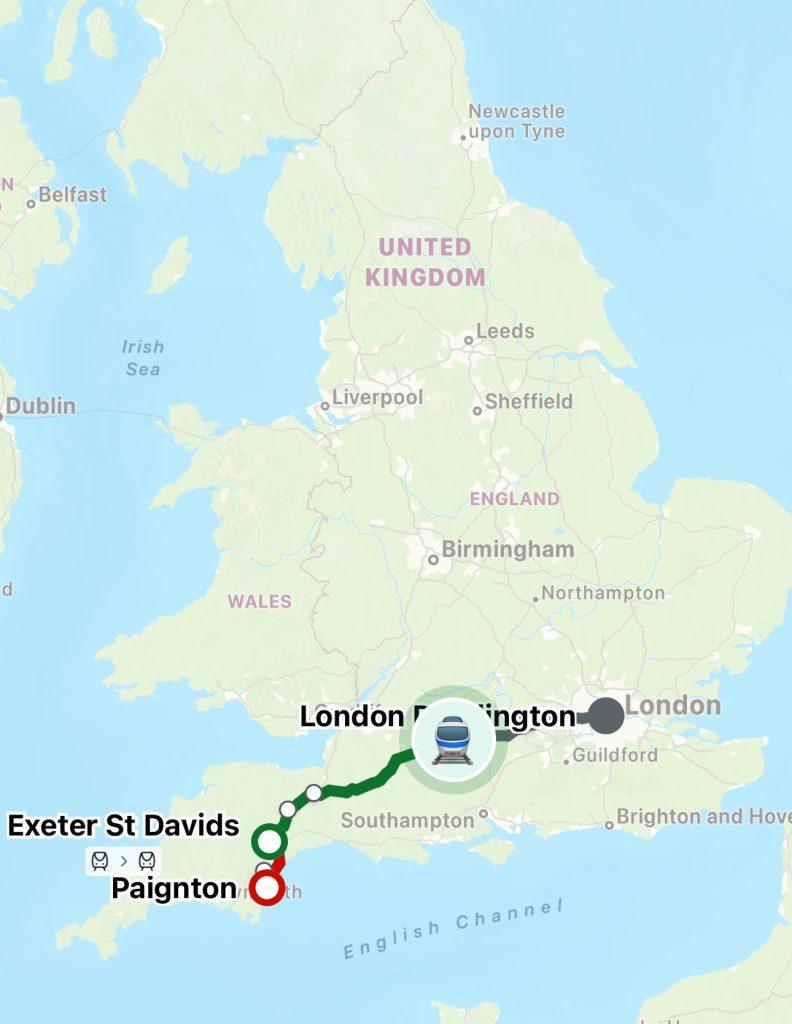
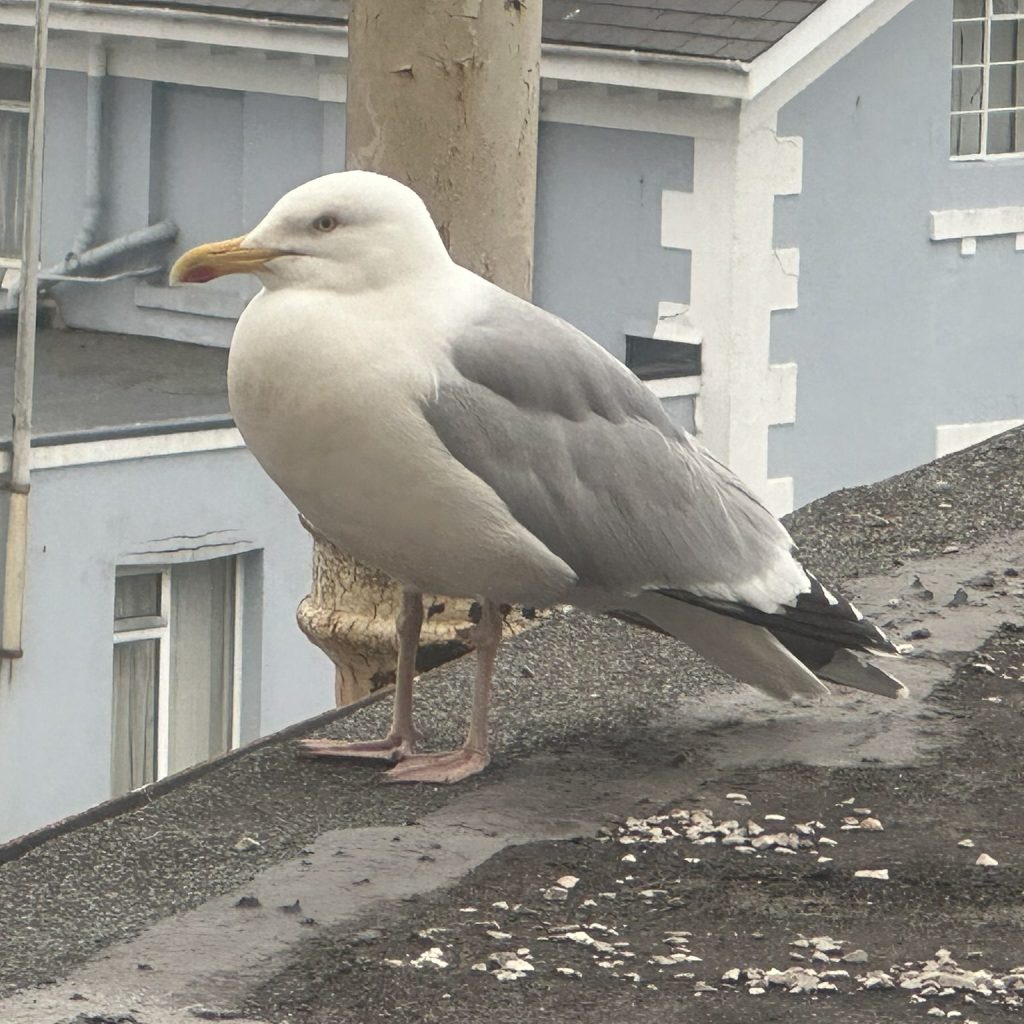
Late-morning sunlight warmed my face as the train rocked gently along the coast. I was in the sleepy afterglow of the Summer Feast and usually, tango songs would still be replaying in my head. But this time I noticed a sound that was missing. Seagulls.
Their squeals had followed me through the whole weekend, at the hotel, over the promenade, through the milonga’s open windows and on every walk down to the sea. Somewhere between the dancing, sleeping and the hours spent by the water, they had become part of the music.
Mortgages, Miles and Milongas
If the seagulls were the soundtrack to this Feast, the flat purchase was the broken record that had followed me through all three. I had begun to measure the house purchase in Tango Feasts. When my offer was accepted for a first-time purchase in August 2025, it was a rare, intensely happy moment in the worst year of my life. I pictured Christmas in my first home, followed by a return to Buenos Aires. Then problems with the seller’s paperwork brought everything to a halt, and the months began to slip away.
At the December Feast, the purchase followed me into my caravan, where I completed a fresh mortgage application. By March, promised completion dates had come and gone, Buenos Aires had been cancelled, and I was tired of arranging my life around solicitors. I went to the March Feast, then to India and Japan, prepared to complete from wherever I happened to be.
For two marvellous months, there was tango in Fukuoka, Kyoto, Tokyo and New Delhi, and hiking in the Himalayas. The purchase remained unfinished, but at least I was moving. While in Delhi, I also booked the Summer Feast. Its different venue, format and crowd apparently divided opinion, but that was never going to stop me from going.
By June, my mortgage offer had expired, and two days before the Feast the same bank rejected my replacement application. Nearly ten months after that happy afternoon in August, I was exhausted by the waiting and bewildered by how far away my new home still seemed. I left for Torquay longing to spend a few days absorbed in music, movement, conversation and lovely embraces.
Torquay in a T-Shirt — A Simpler Feast Design
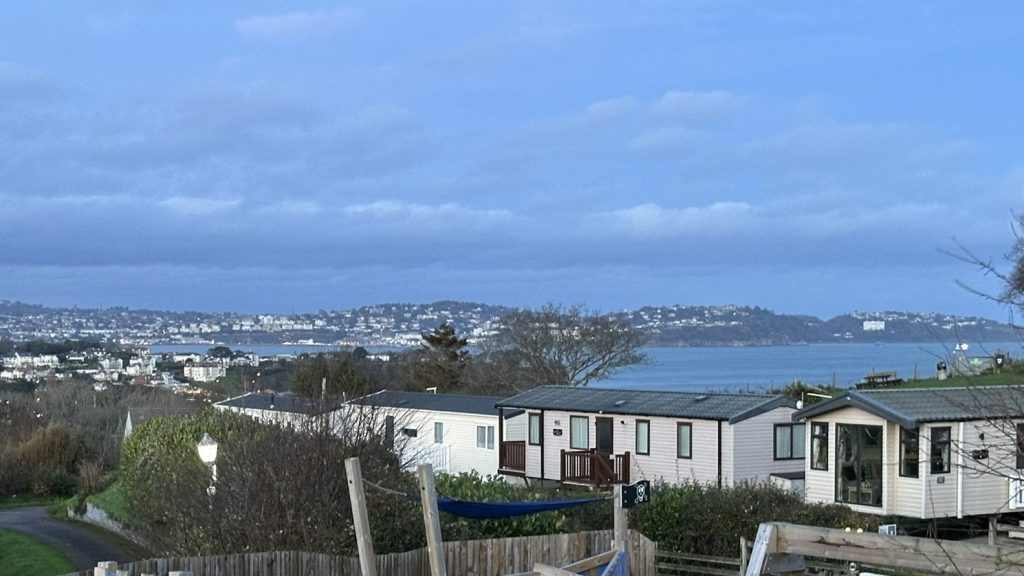
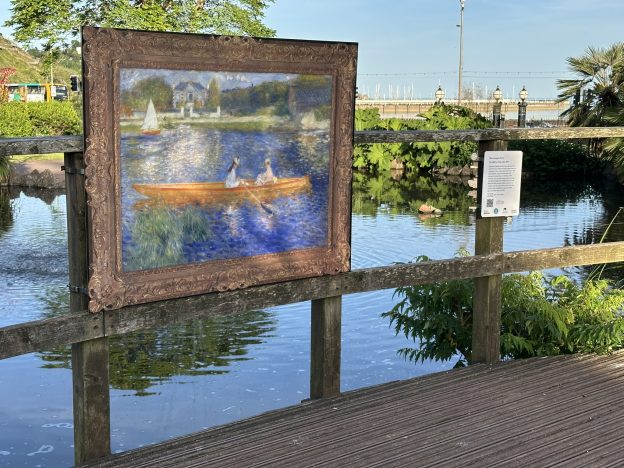
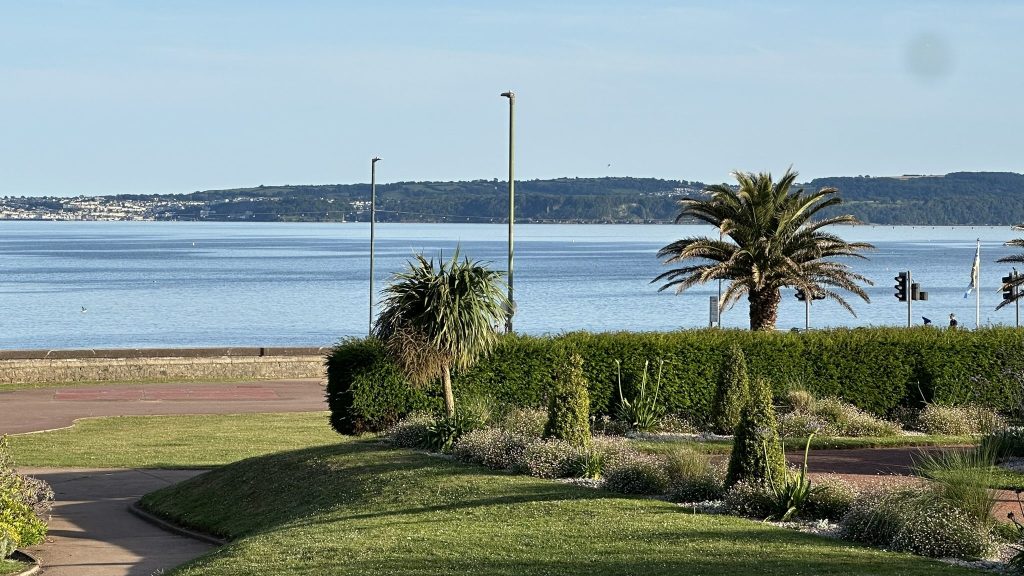
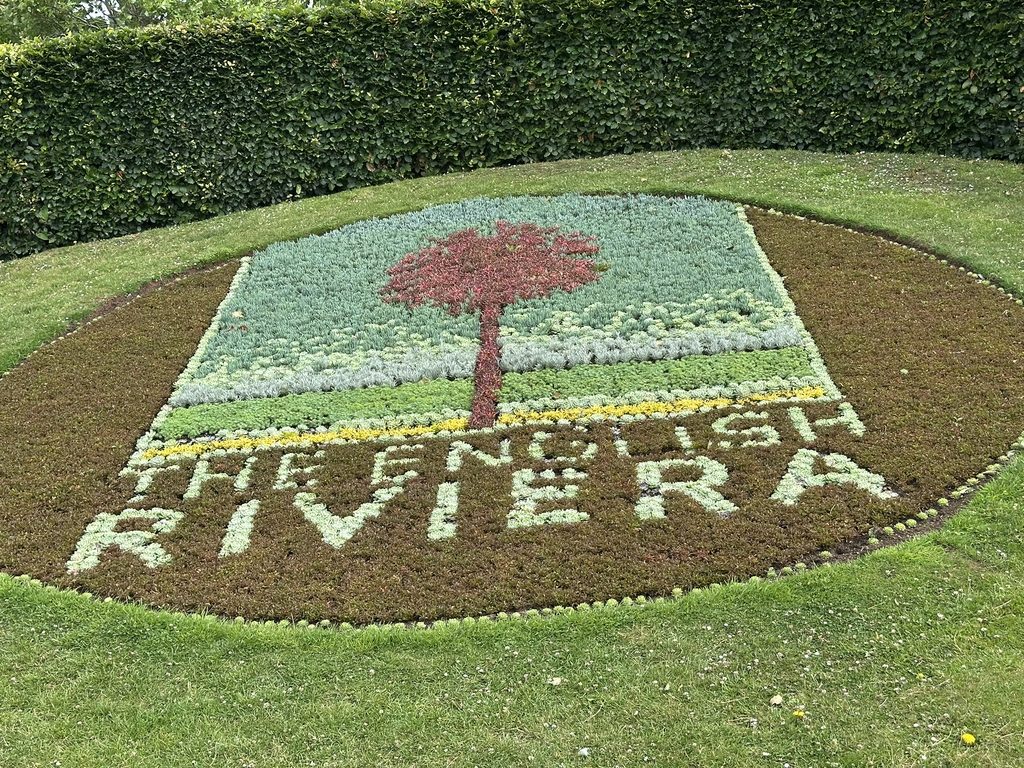
The Summer Feast felt different as soon as I stepped off the train. Instead of the holiday park near Paignton, we were staying at the Victoria Hotel in Torquay, within walking distance of the station. Palms spread above clipped hedges and colourful flowerbeds, with the blue sweep of the bay beyond and the seagulls making themselves heard overhead. After the bitter winds of December and March, walking through all this in a T-shirt felt like a holiday before I had even danced a step.
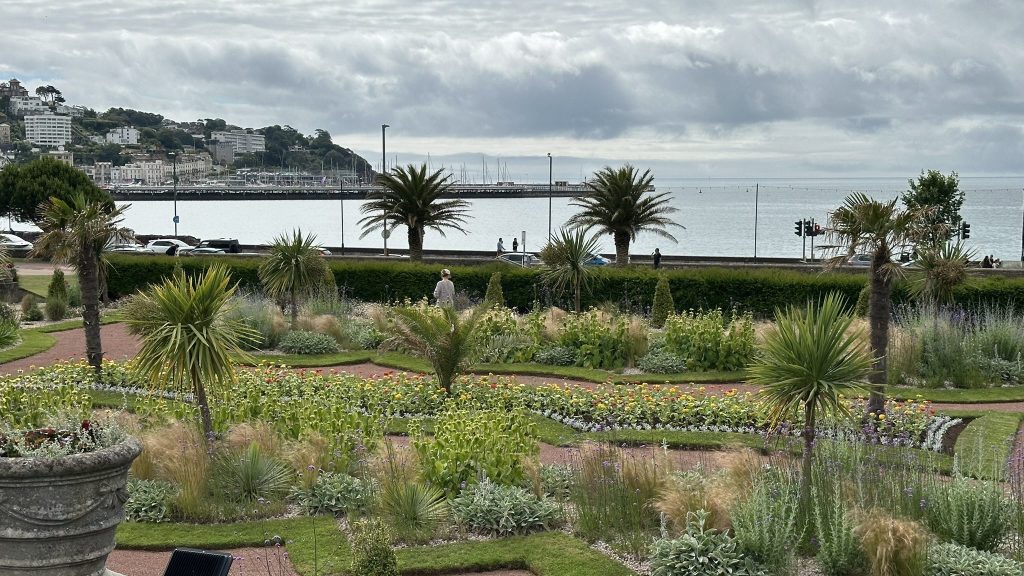
On the way, I met a tango couple who described the two dance spaces awaiting us. A bright upstairs ballroom and a basement hall whose low ceiling and summer heat could apparently turn it into an inferno. That warning only made me more curious.
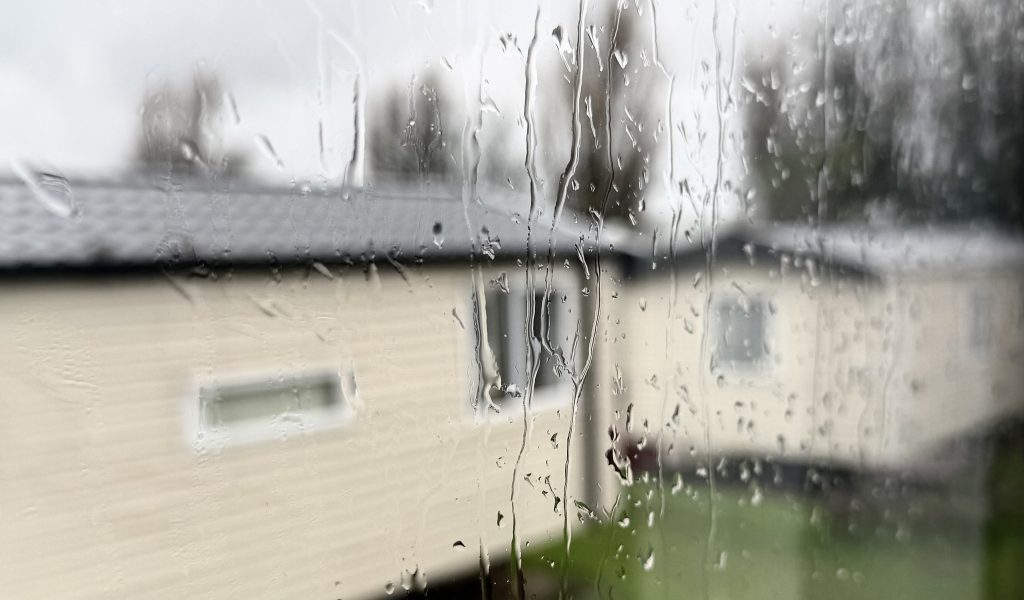
Having everything under one roof took much of the planning out of the weekend. Breakfast and dinner were included, and with my room close to both dance halls, I could slip out of a milonga to rest or change clothes, then return whenever I felt ready. There was no food shopping or cooking, and no need to change shoes and pull on a jacket for the short walk through cold, wind or rain to my caravan.
The timetable was shorter too, beginning on Friday afternoon rather than Thursday evening, with six milongas instead of the usual seven. I initially felt this would feel like a low-fat version of the Feast, but by the end the weekend felt just as full, and one fewer late night made a huge difference to sleep and energy levels.
The Ballroom, the Breeze and the First Tandas
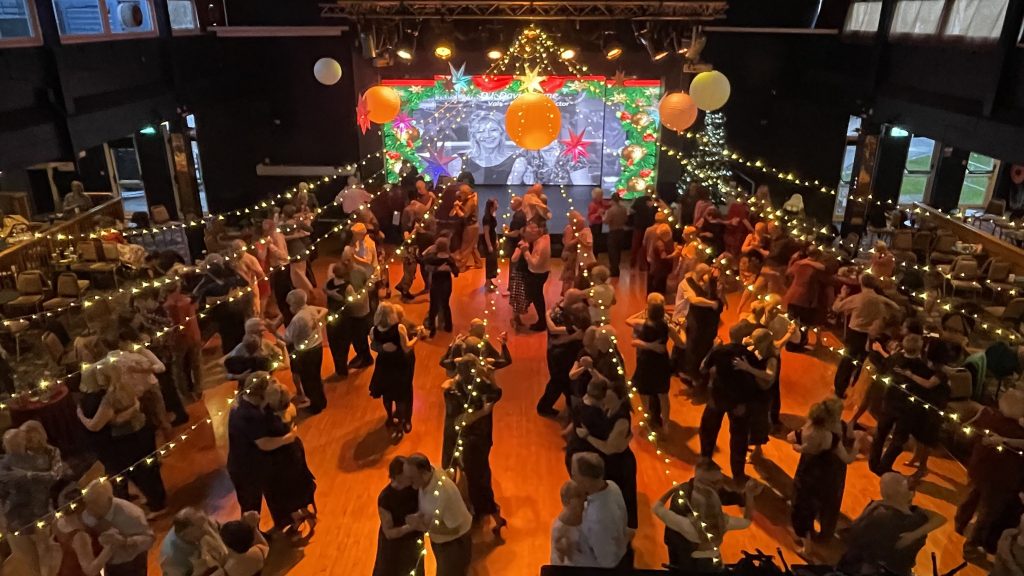
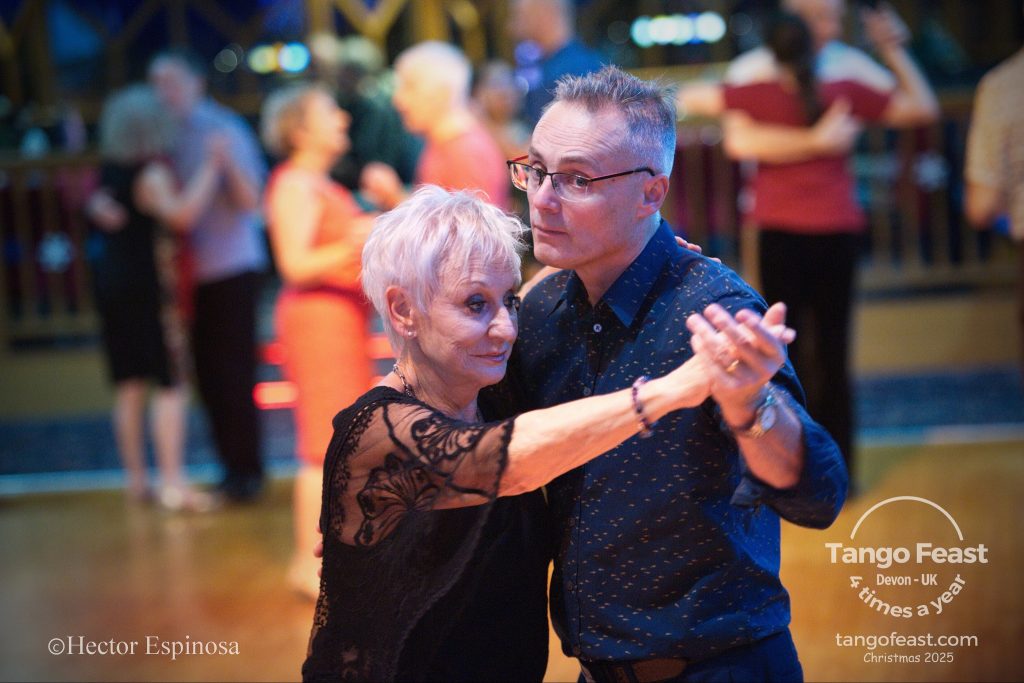
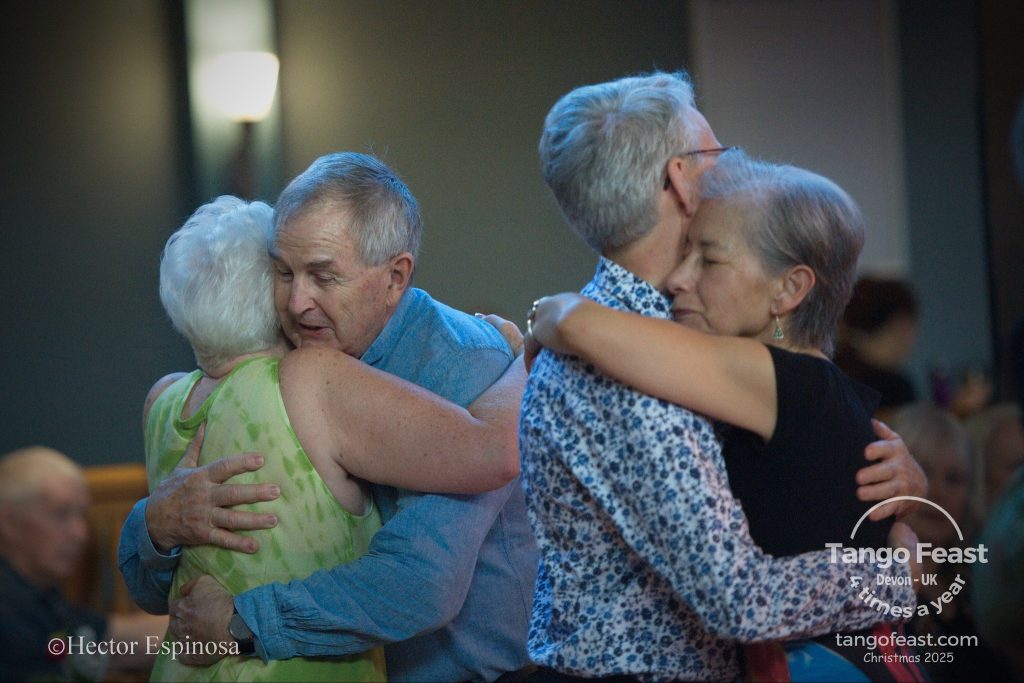
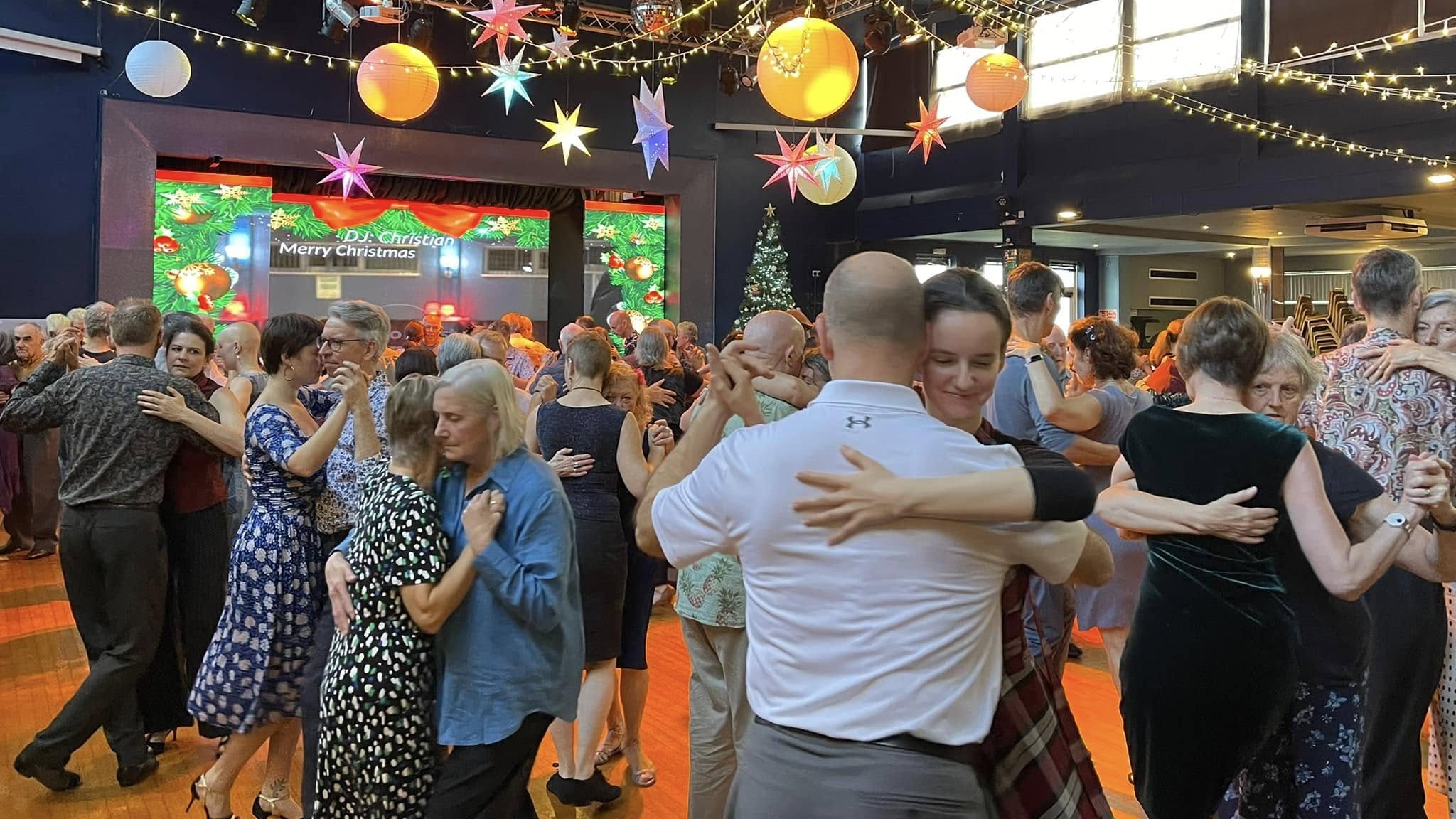
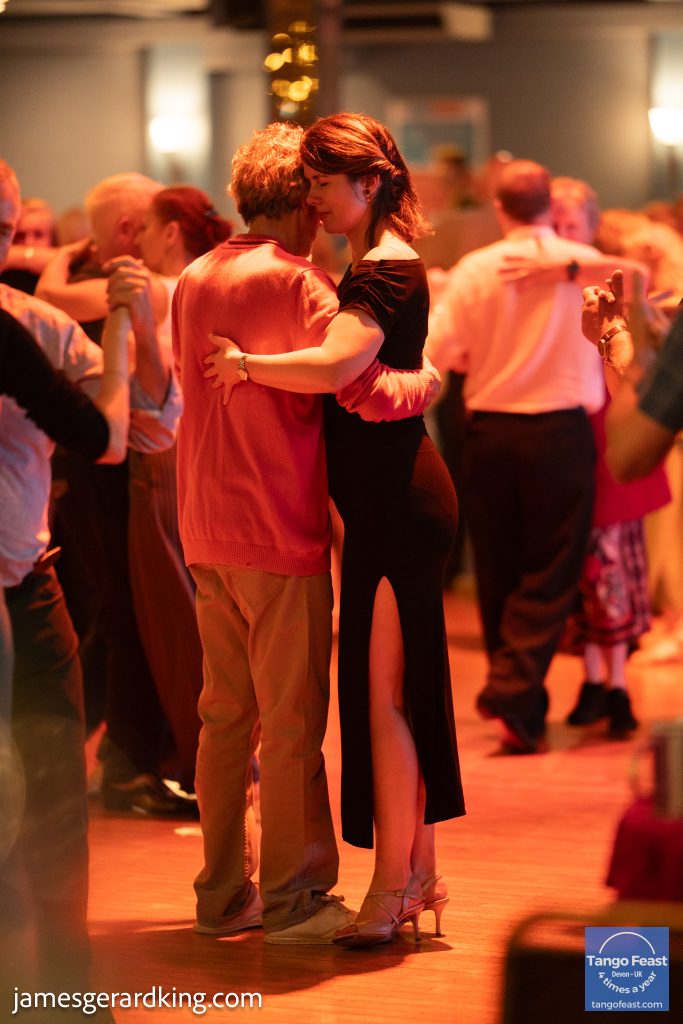
The upstairs ballroom was spacious, full of light and had the warmth of its wooden interior. The hotel stood on a hill, giving us a lovely view towards the sea, while the open windows let the seaside reach into the dancing. It felt like an outdoor milonga with a roof to shelter it.
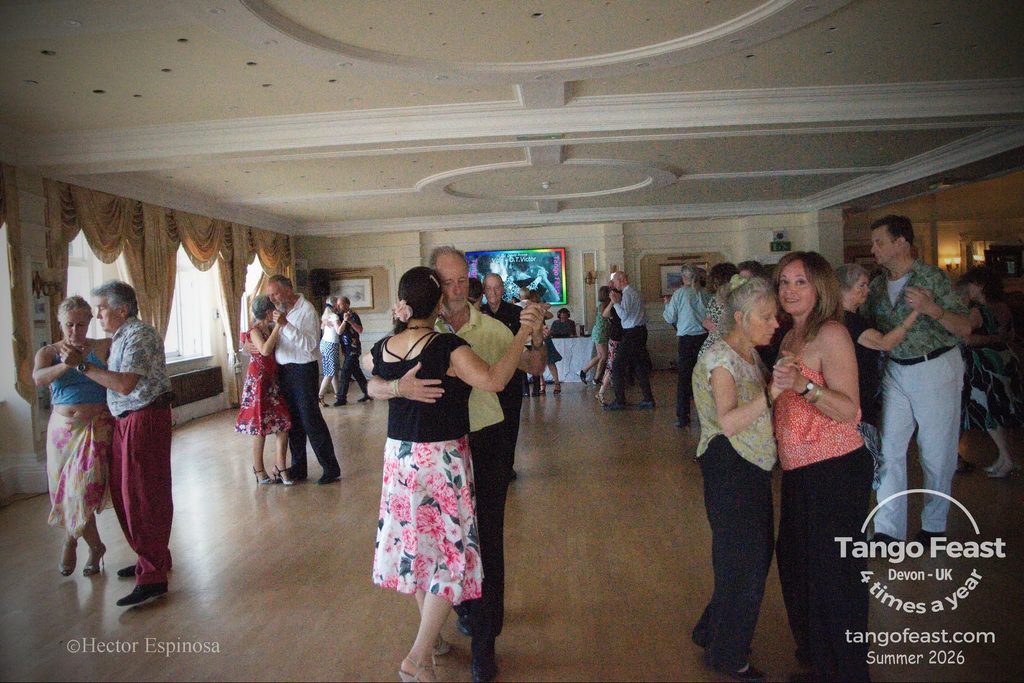
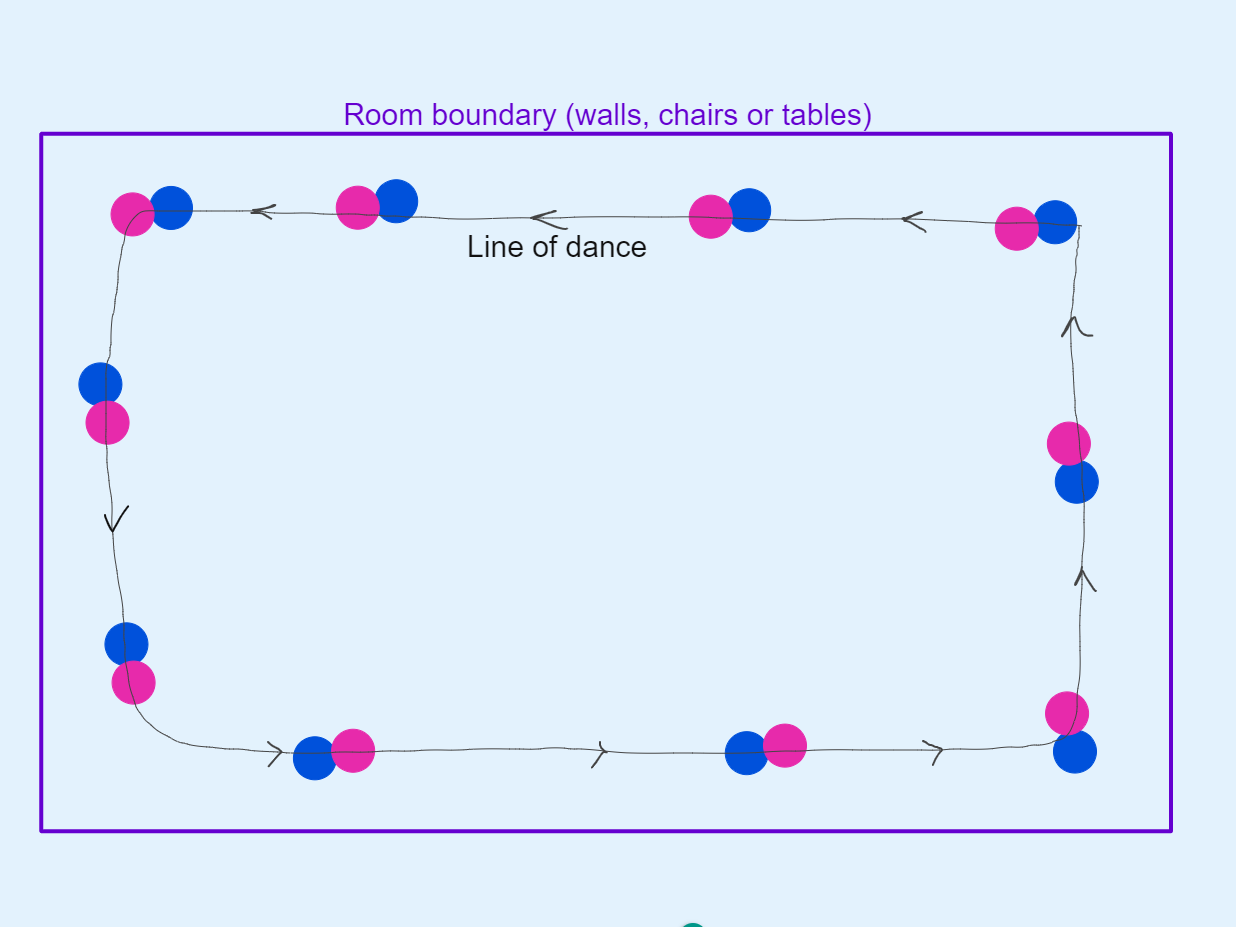
Whenever the ronda brought us near a window, a cooling breeze reached my skin and became another sensation within the dance. Beneath the music was the steady hum of fans, while the gulls occasionally made themselves heard above everything. It was their home as they lived there all year, with us being guests in theirs.
The floor itself was lovely to dance on. I am glad to say that the floorcraft was very good, making it easier to walk and giving time to read the couples around us. The tiny minority of rogue ronda leaders of previous feasts were missing, making this Feast the best floorcraft one for me.
Returning for a Feast for the third time meant I could get dances far more easily than before. In December, I had to work a lot harder at finding dances but by the end of March, I had realised that quite a few followers wanted to dance with me again. I had my dance card and I am glad to say, I was on the dance card of enough followers.
Over the weekend, the upstairs room became my favourite dance space of all three Feasts.
Between Meals and Milongas
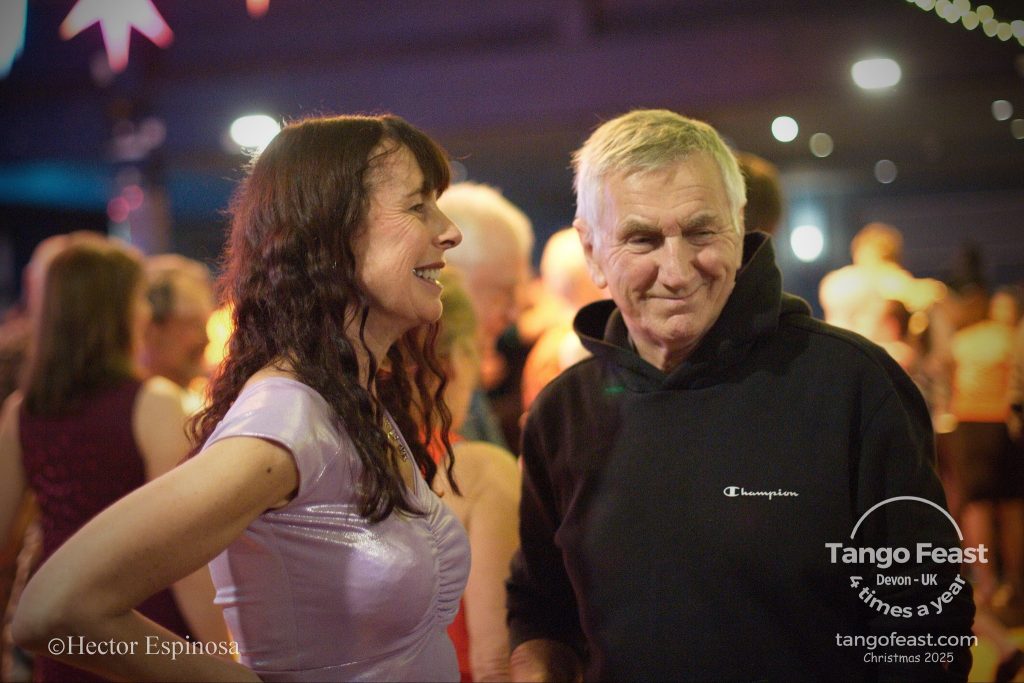
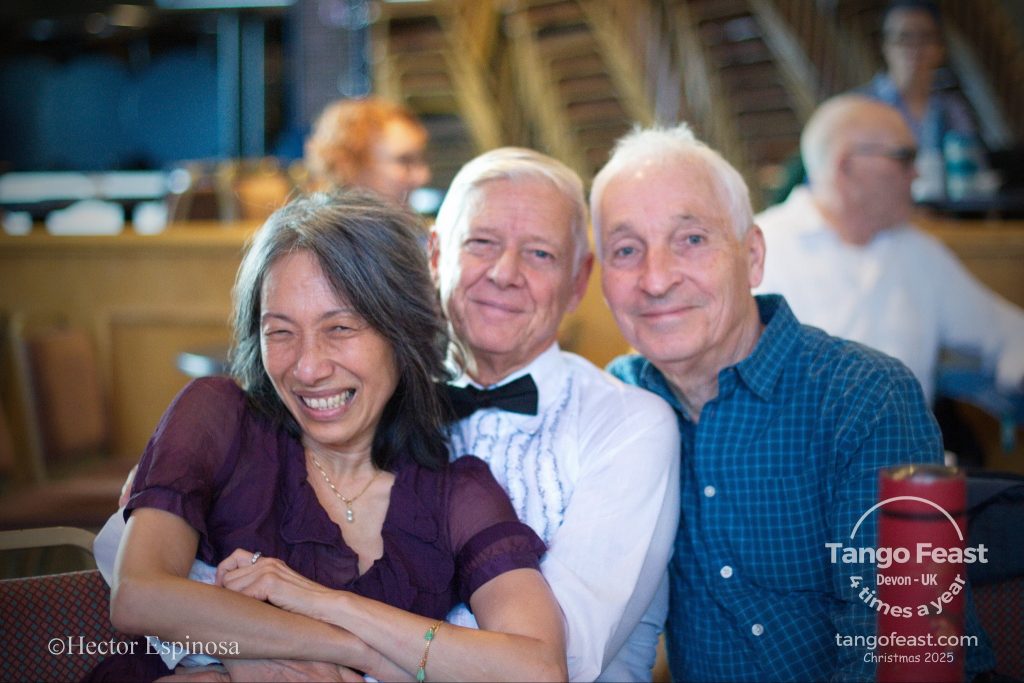
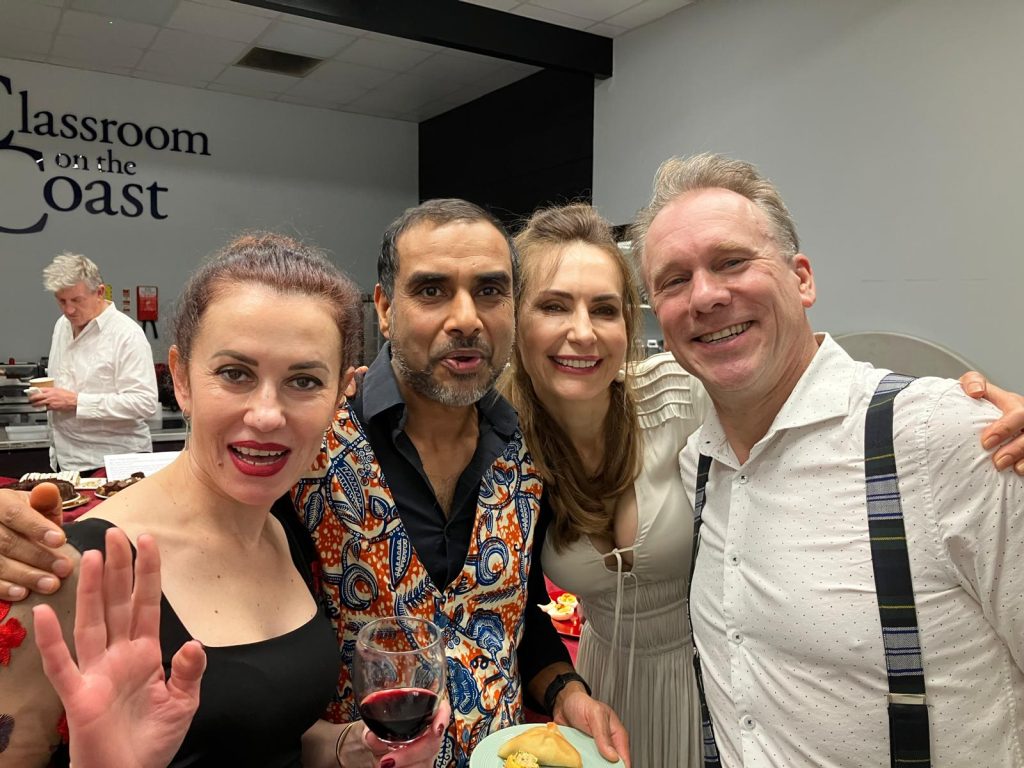
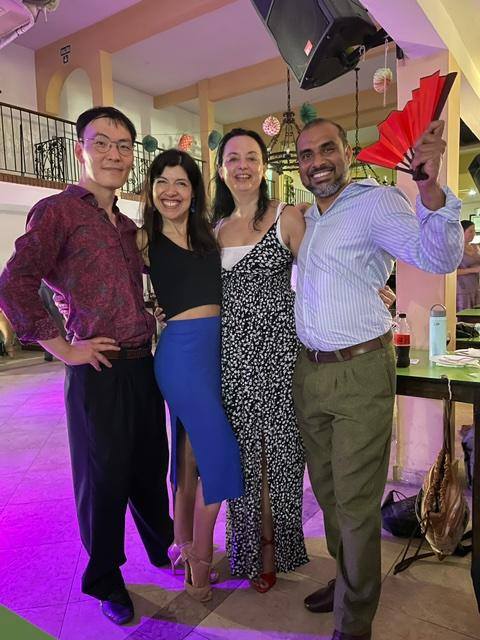
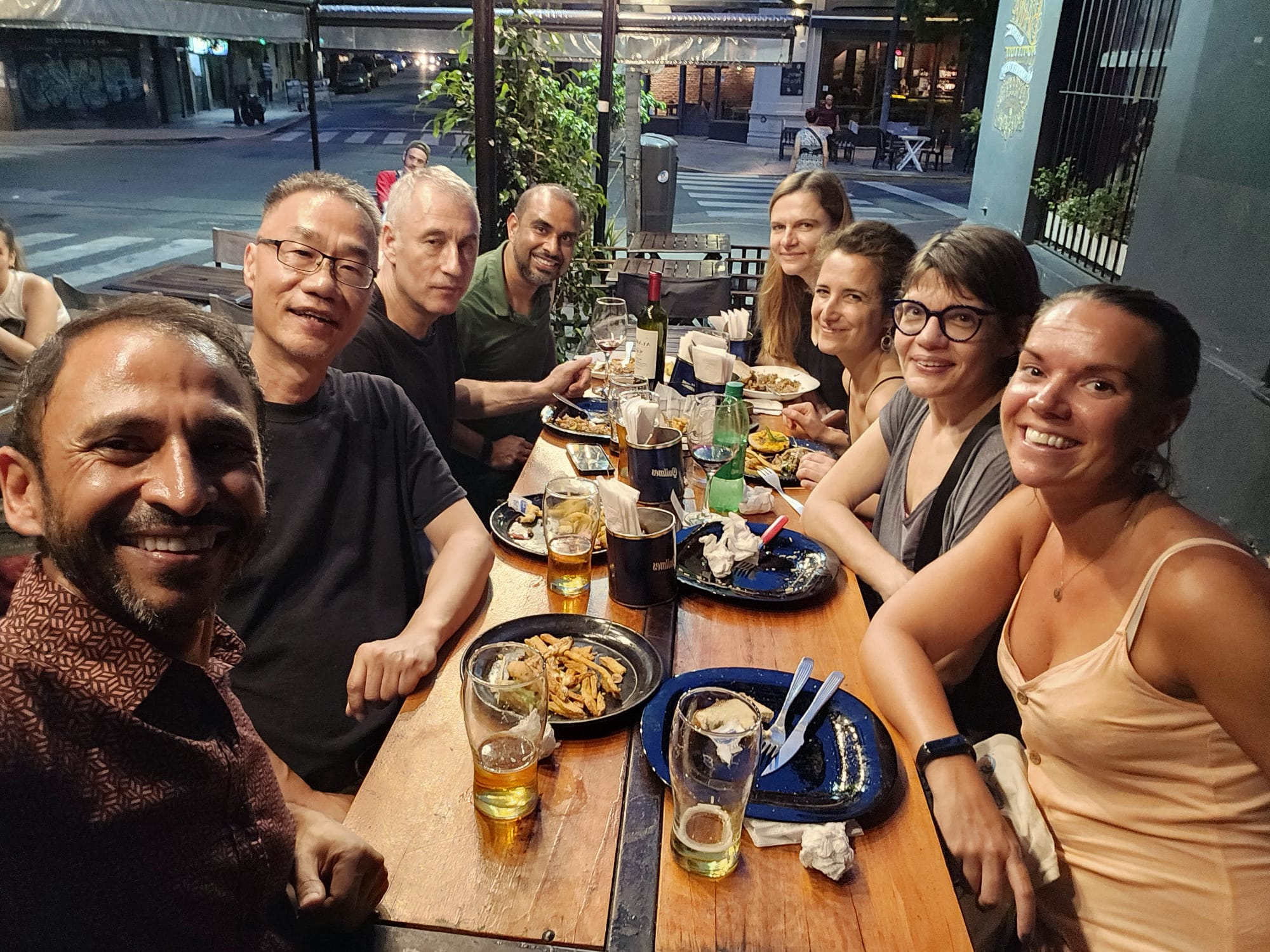
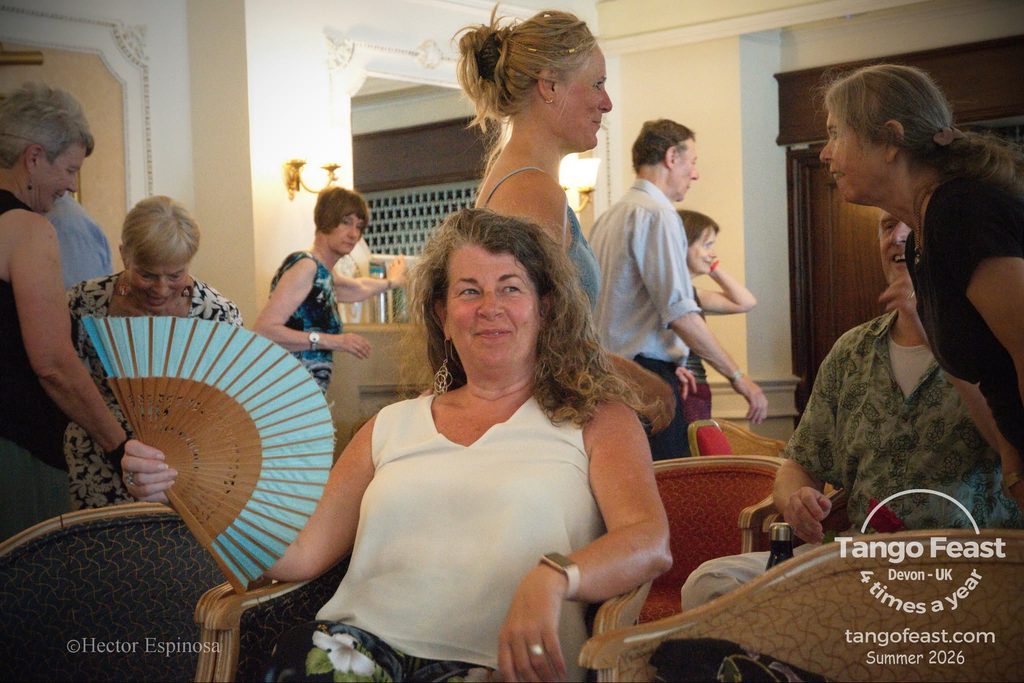
The other pleasure of this Feast was, well, feasting. Dinner offered plenty of choice and fairly good quality food. It did feel like an elaborate school or university dinner setup, but I quite liked that. I initially chose to sit with people I did not know, and conversations begun over food often continued at the milonga or over breakfast the next morning when everyone was dressed in civilian, rather than tango uniform.
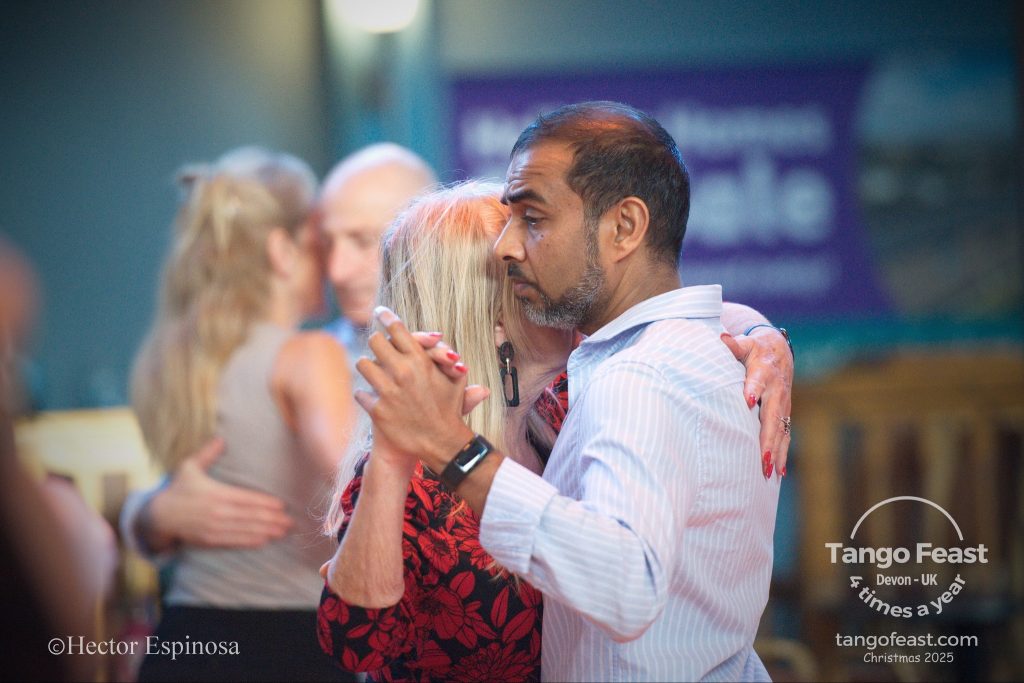
I have written before about how much the design of a social space matters in tango. A milonga can be surprisingly solitary when everyone is facing the floor, looking for the next dance, or sitting within an established group. Around a dinner table, there was time to find out something about each other without watching for the next tanda. Several people I met this way became dance partners later, and those who I had danced with then became more familiar as I chatted to them over meals.
My room on the other hand was less delightful. Tiny, very hot and almost directly above the dance floor, it had a Victorian sash window that I could only partly open. The seagulls accompanied my attempts to sleep as faithfully as they accompanied the dancing. Only at the end did someone mention that I could have asked for a fan. I wished one had been provided, although it also somehow never occurred to me to ask. I still slept reasonably well, perhaps helped by the weeks I had recently spent living with Delhi’s 40° C heat.
Two Floors, Two Moods
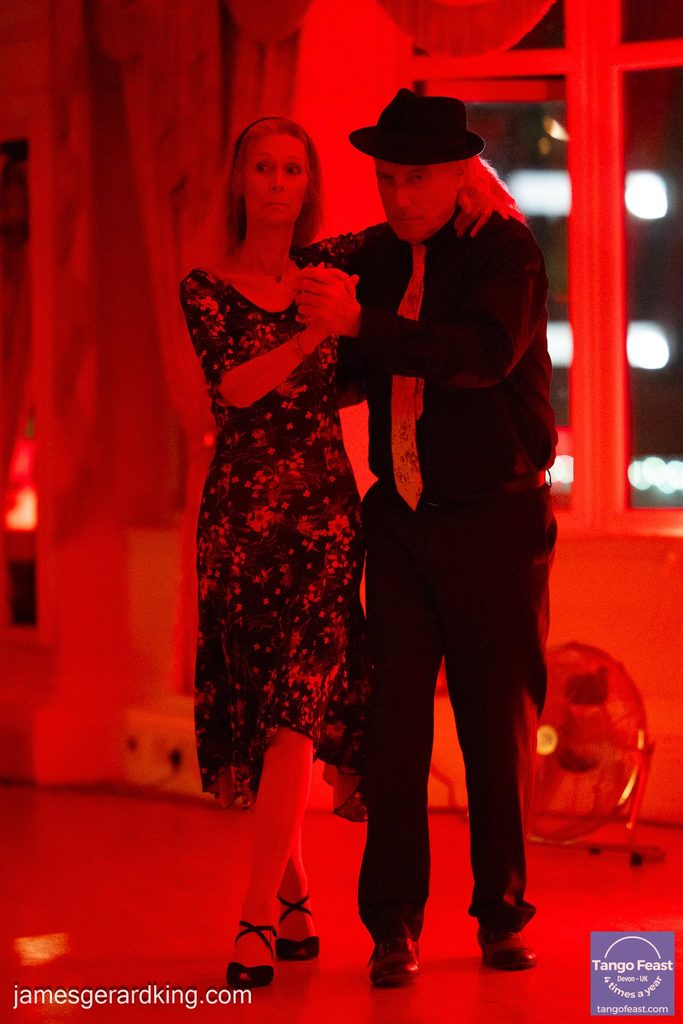
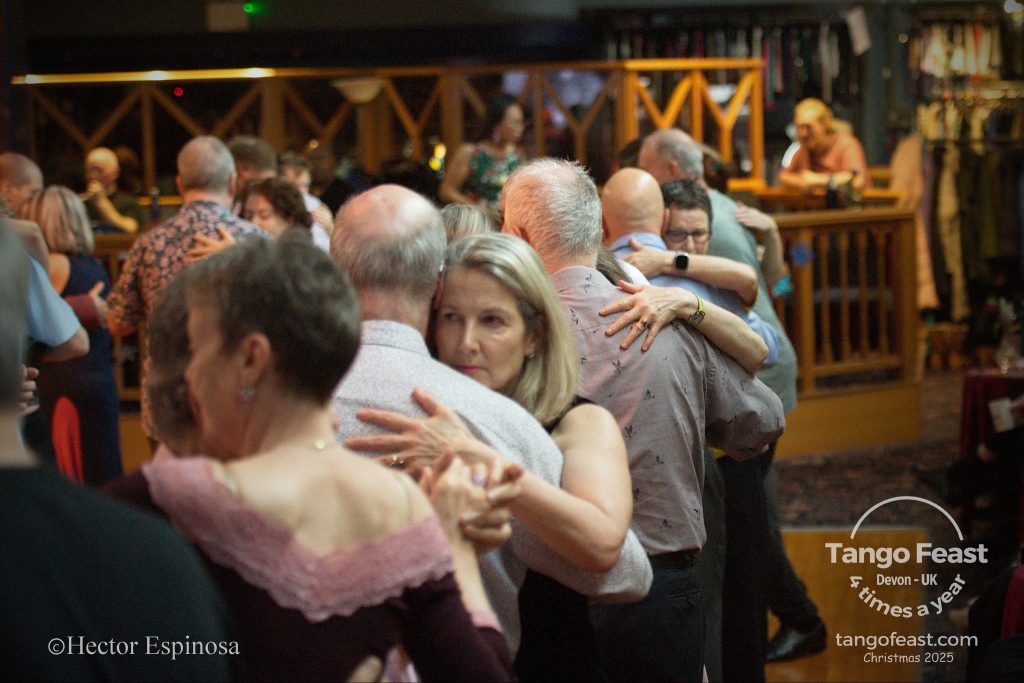
The basement turned out to be far more welcoming than the inferno I had imagined, with a good dance floor and tables arranged for easy conversation. The fans worked hard beneath the low ceiling, although quite a few dancers looked tired or flustered.
Early in the evening, I found dances easily. With the afternoon’s dancing already in my body, my dance began to flow more freely. As the evening wore on, however, I became more conscious of how many followers were sitting out. There seemed to be more women than men, and I wondered how differently others were experiencing the room. My enjoyment depends partly on the atmosphere around me, and I sensed some restlessness, difficult to separate from the heat and fatigue.
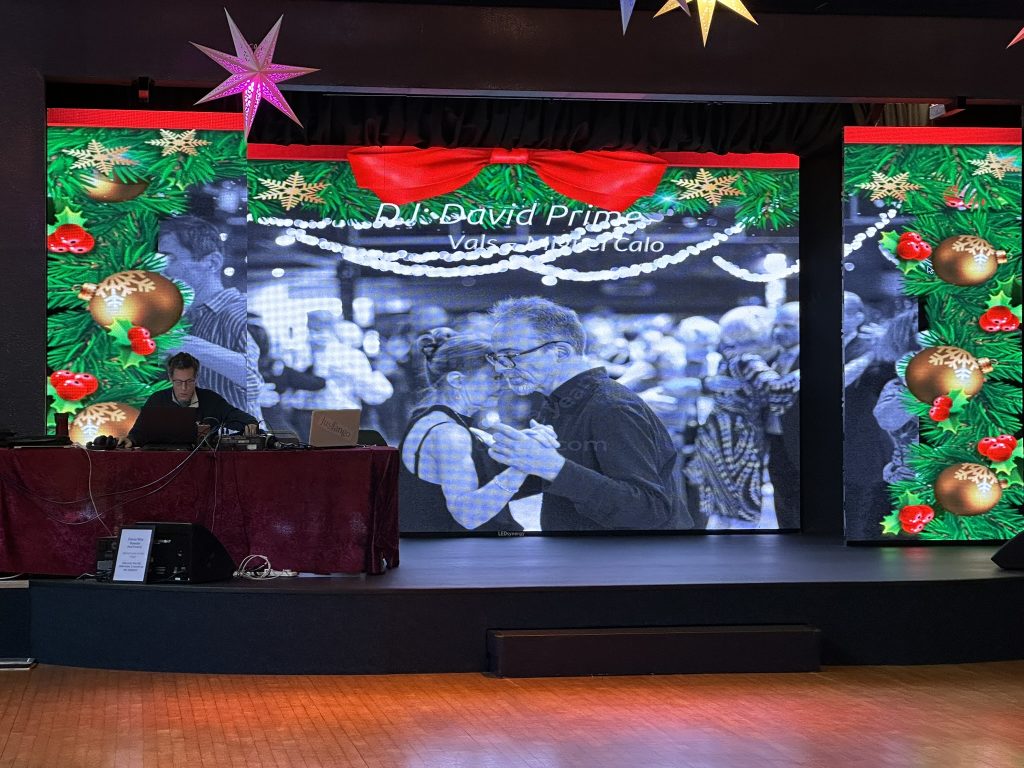
When my own dancing hit a lull, I went upstairs. The familiar afternoon hall had changed character – the sea view had dissolved into darkness, leaving night lights, the moon and stars, while cooler air and alternative music offered something very different to downstairs. It almost felt like two different events.
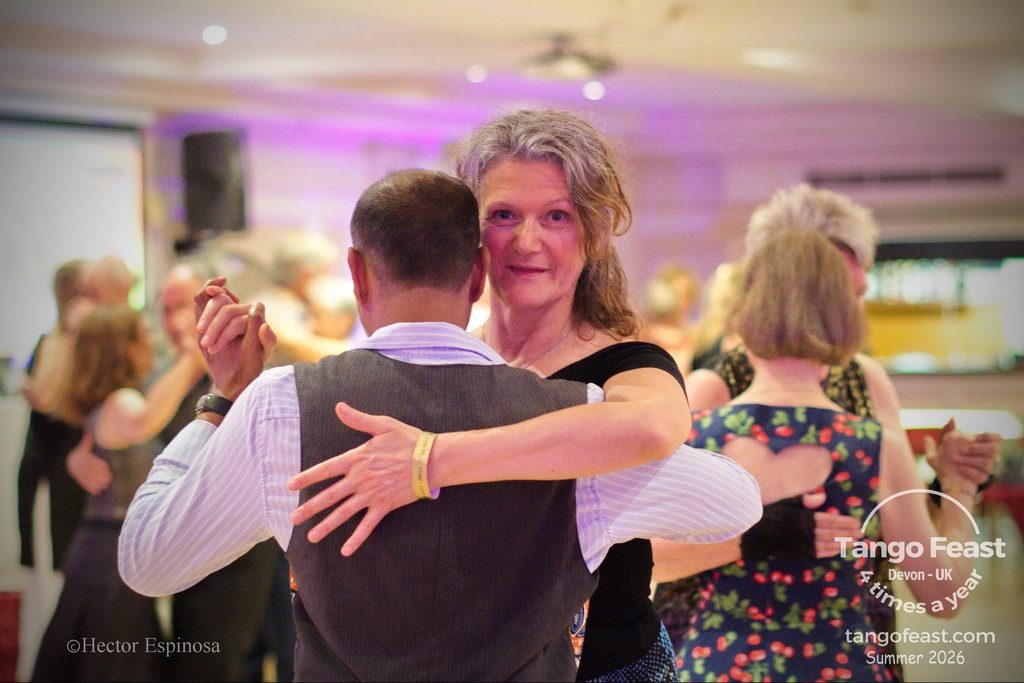
Only a few couples were dancing, each seemingly settled with the same partner, and I could see no natural opening to get into conversation with anyone, let alone a tanda. I waited on my own and was about to return downstairs when a follower I knew came up and we began to dance. Later, another joined us, and I found myself sharing photographs from Kyoto and elsewhere in Japan over a long conversation with no hurry in the world.
A Little Turn of Events — One of the Most Useful Group Workshops
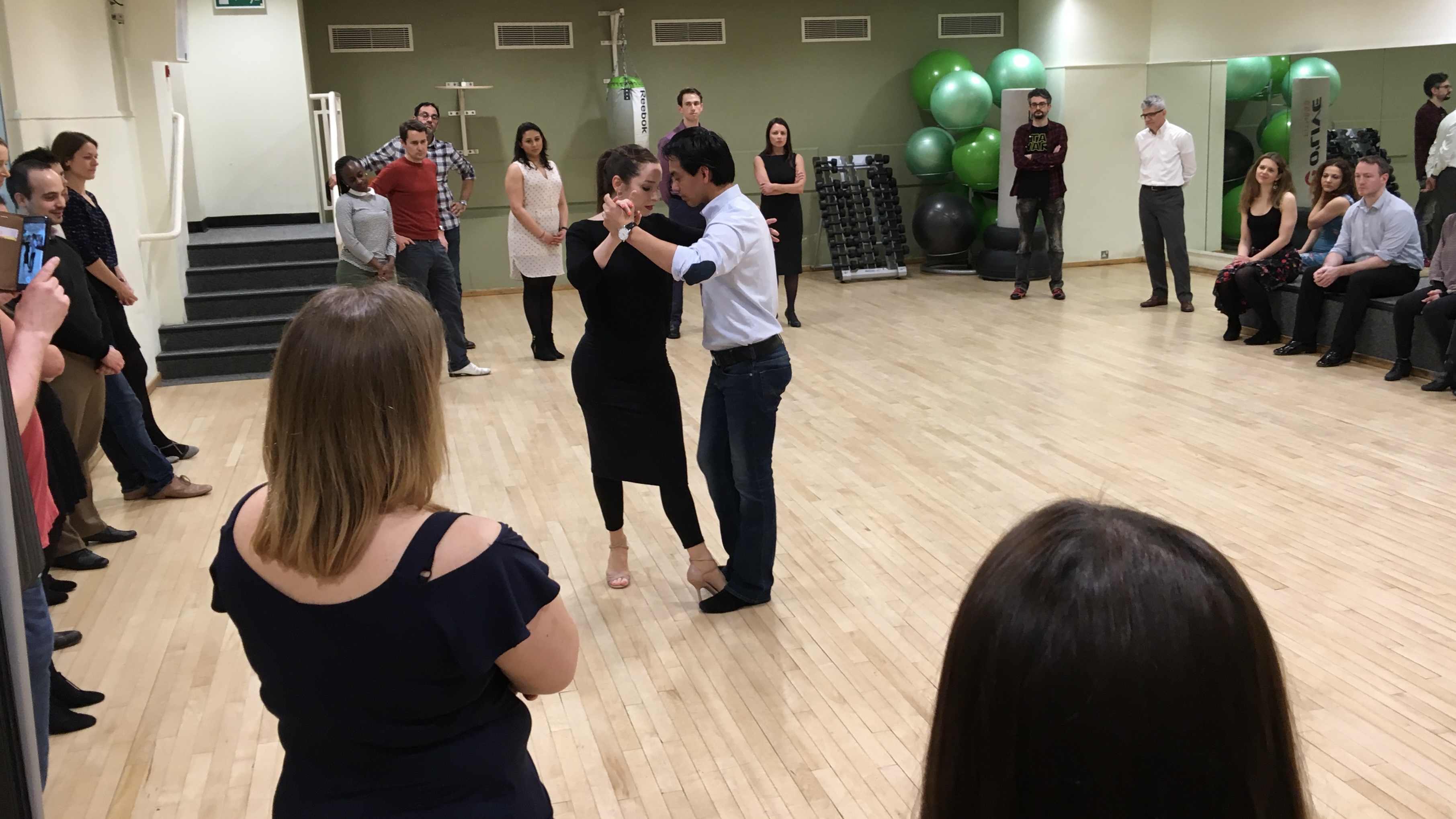
On Saturday, I joined a workshop on dancing in small spaces by Luis and Elizabeth of Tango y Nada Mas. The title alone was enough to interest me: as much as I love a tango walk, a crowded or stationary ronda asks for something more compact.
Although there were many women at the workshop, most were leading, being just as interested in small space leading as me. As a result, there was a real shortage of followers. Fernando, as busy as always in the background to save the day, found some followers from upstairs and got us all role balanced nicely. We worked on many different things, but the ones I remember are – circular walking, ocho cortado variants and a small giro in close embrace. That little turn, roughly a third or half of a giro, would prove the most useful thing I learnt.
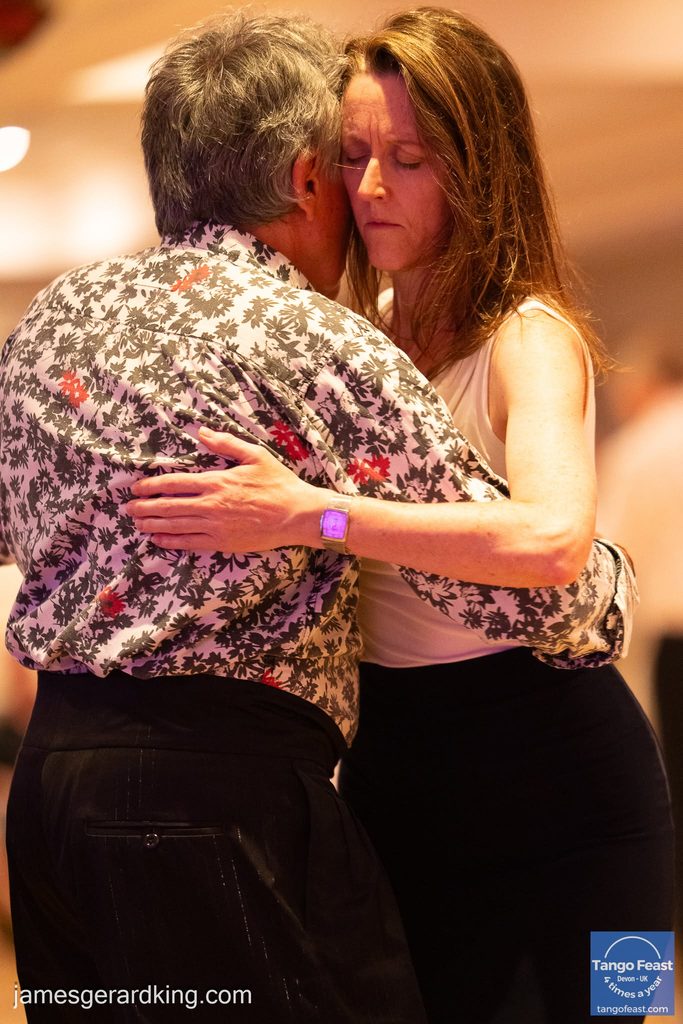
In class, my lead felt messy and hesitant. Both teachers followed me, and Luis encouraged me to make the intention clearer through my body rather than getting lost in the precise footwork. When he led me, I could feel the difference. I recognised something familiar in my own dancing, that I was becoming so cautious that I was half-asking, half-apologising, leaving my partner unsure of what I meant.
Later in the milonga, after a few misfires, the girito started to work very well. Staying grounded, committing to the turn and respecting the music made it much easier to share. It gave me a way to change direction or keep dancing within a small pocket of space, and if it didn’t work then it didn’t matter that much as the movement was so small anyway. It is all fun and games learning this stuff live in the jungle of the milonga.
Of the many group classes I have taken over the years, this one left me with something invaluable that has become a regular part of my dancing.
The Alternative Tango Room — Nothing Else Matters
The upstairs alternative room ran each evening alongside the traditional milonga downstairs. It was often sparsely used, but over the weekend it became somewhere I could explore a different range of dancing.
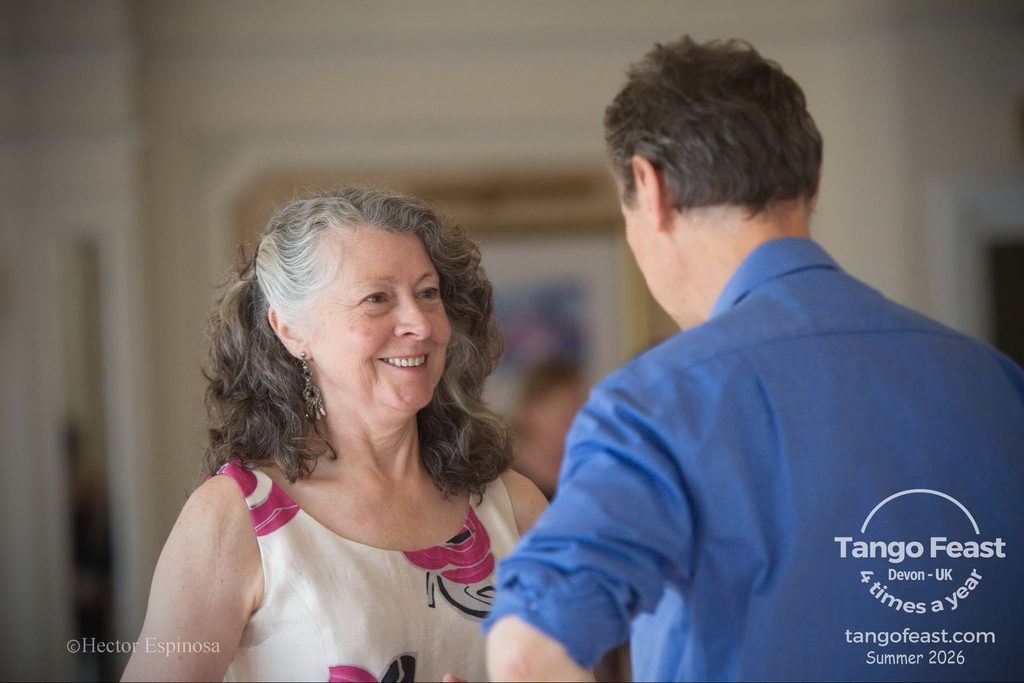
For the first five years of learning tango, my London school had played a mixture of traditional tango, newer recordings and non-tango music. As a result, or call it ignorance, I was simply not able to tell them apart. Since it was mostly stage-based, open-embrace tango that I was learning, I learnt a lot of wide, open and circular figures. Very badly.
It was only when I spent a few months in Buenos Aires that I developed a closer relationship with the classic orchestras, especially when I heard the pieces performed live. Thanks to private lessons and daily practice my dancing became a lot more grounded and with feeling. After Buenos Aires, I deliberately avoided alternative music open embrace tango as I felt I had outgrown that phase of my dancing. But back at the Feast, and to my surprise, I found that all those movements I had learnt awkwardly years before began to click into place. This time with more balance, feel and far better floorcraft.
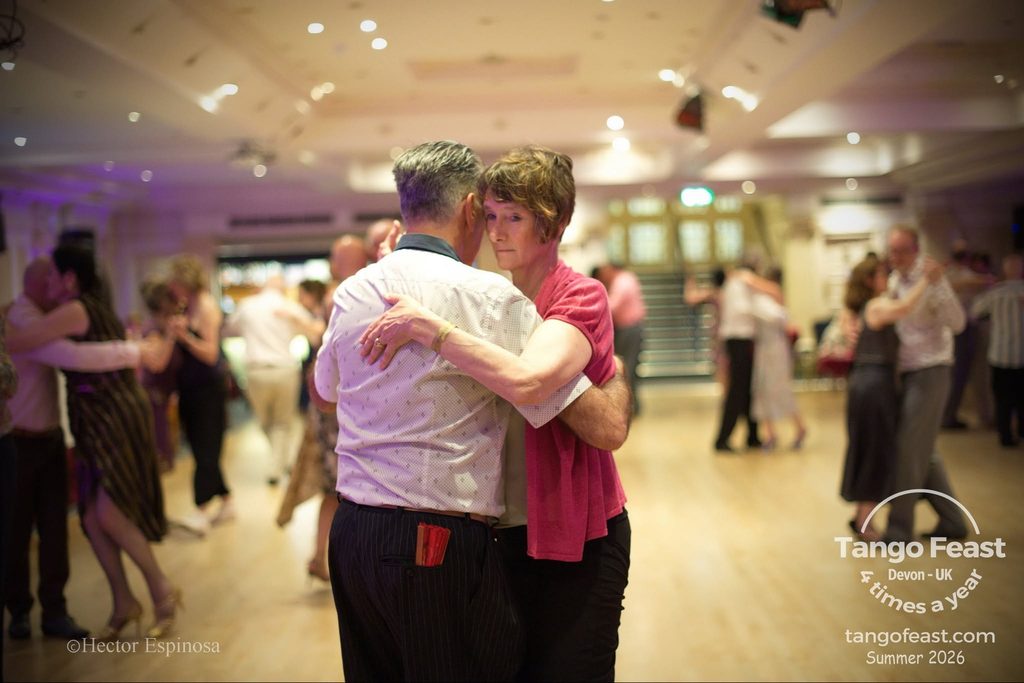
As a musician, I have always responded strongly to texture, that could be a sustained string section, a repeating pulse, or the way one sound fades while another emerges from beneath it. The nuevo recordings are modern productions, relying on multi-track recording techniques. This means the separation and space around the instruments is a lot clearer. Being sensitive to this, I could follow a rhythm, stretch a movement through a longer phrase, or remain in embrace as a pause, letting the sound take care of the movement. It felt rather like joining the band, with my partner hearing and contributing something of her own.
Two pieces stayed with me. I had known Apocalyptica’s four cellos version of “Nothing Else Matters” since around the time of my first band in 2000. The lush cellos and rolling rhythm offered both a pulse to walk with and phrases we could take our time over. It is not just the piece of music itself, but the unique way it interacted with the space and ambience of the room to set a mood.
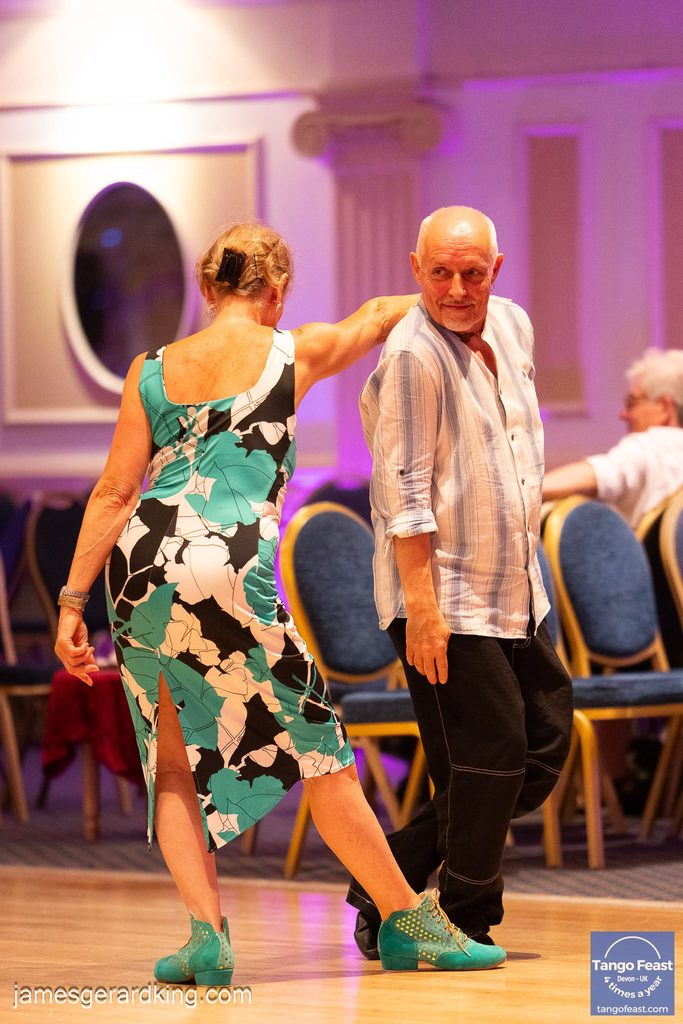
John Powell’s “Assassin’s Tango”, from Mr. & Mrs. Smith, was a discovery. Its faint opening gave way to a theme that kept building, retreating and returning, with delicate piano notes and rolling percussion beneath the drama. I heard something of the cinematic sweep I love in Di Sarli and Pugliese, carried by a much more modern recording. It left me spellbound, and its growing ending brought the upstairs milonga to a close that Saturday night.
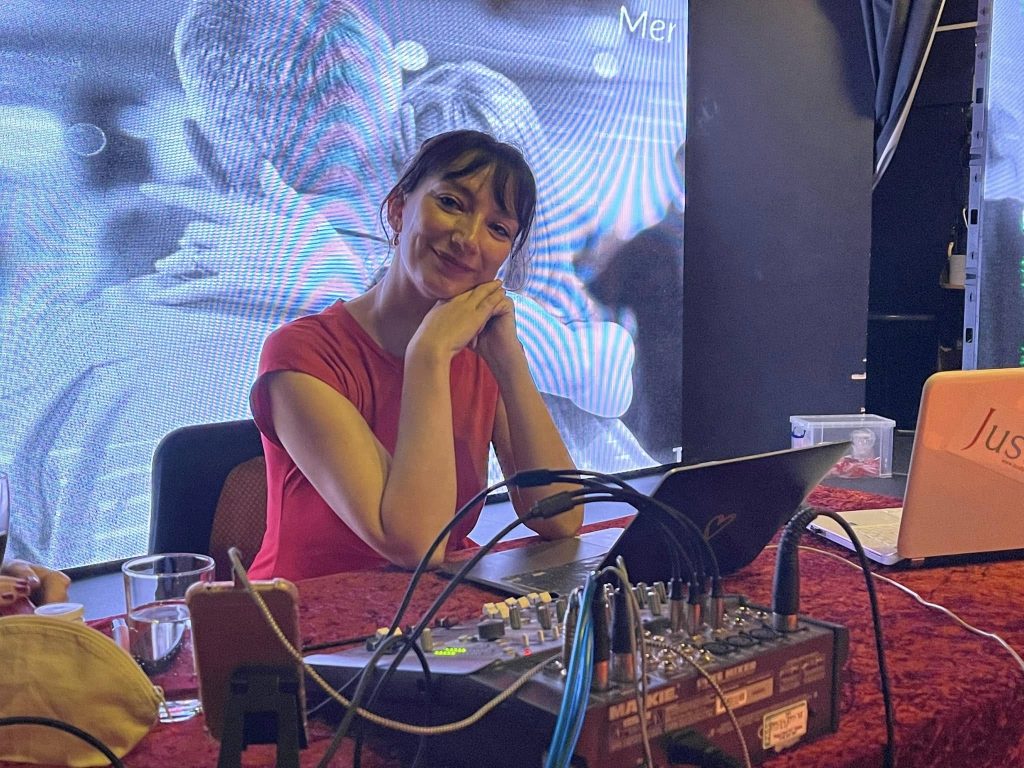
The sound in the room was not always ideal. On Saturday, the music struggled against the white noise of the fans. Fernando explained that they had bought two industrial portable air-conditioning units and extra fans, with one unit installed upstairs before Sunday’s afternoon milonga. But the fan sound meant that the speakers hit their upper limit of volume and were too quiet. So to compensate, they then had to get a more powerful set of speakers. I really appreciate the effort put in by the team to make the room comfortable and the music audible. This will no doubt make future summer Feasts better, even with the heat they are so well known for.
Late Tandas and Long Goodbyes
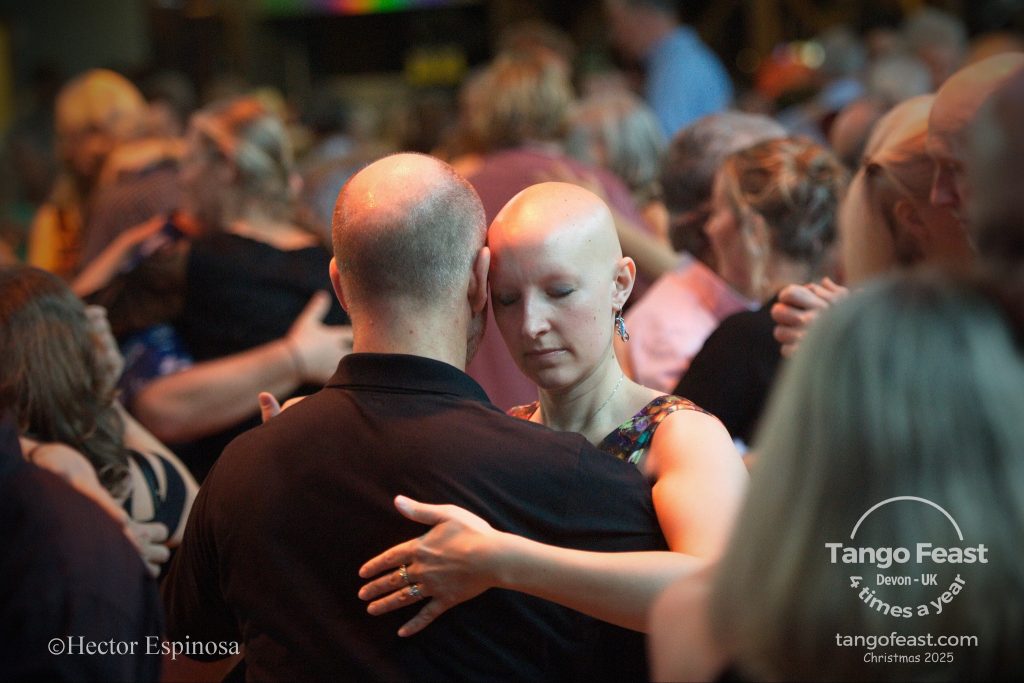
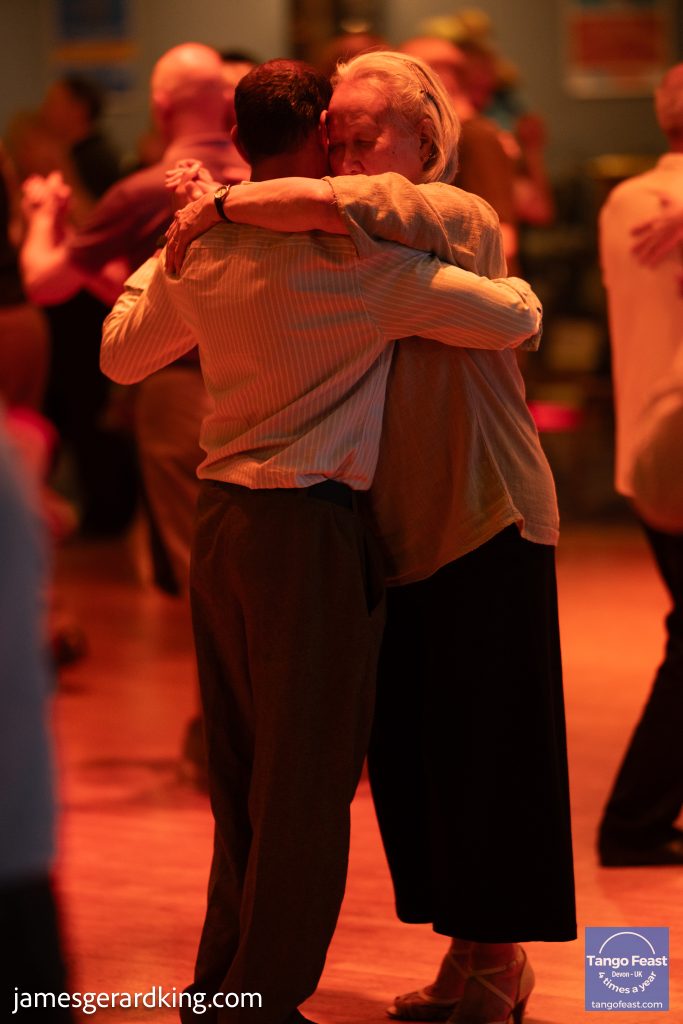
For all the discoveries upstairs in nuevo land, some of my most satisfying traditional tandas happened downstairs near the end of the evening, usually in the final half-hour. By then the floor had mostly emptied out, my body was warm, and there was enough space for the walking I love. Tiredness could take some of the effort out of it too, leaving me more settled in the embrace.
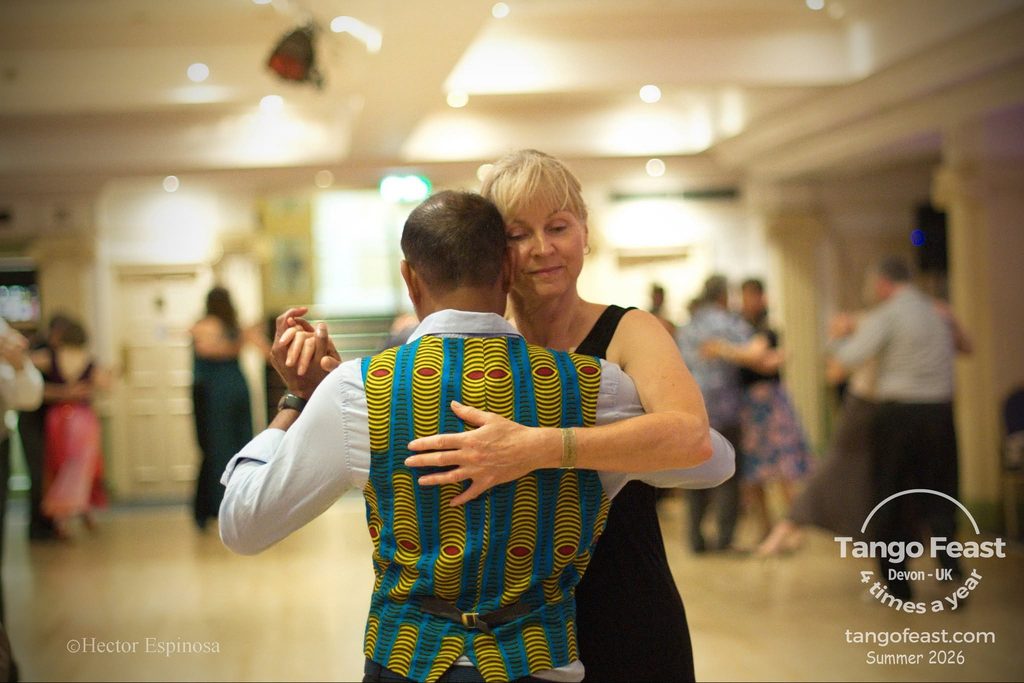
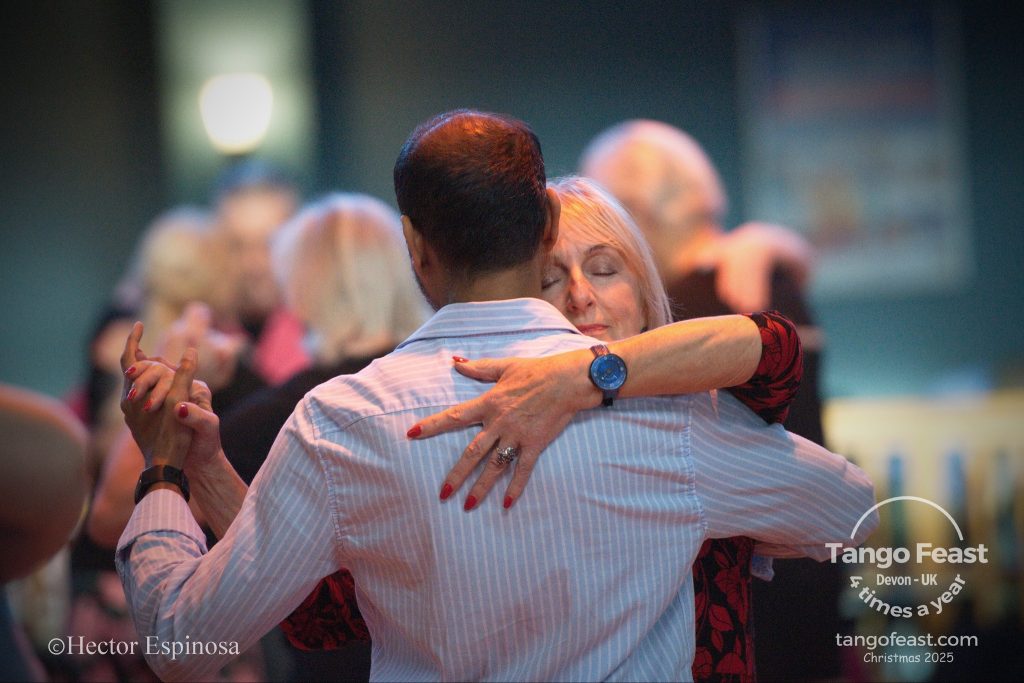
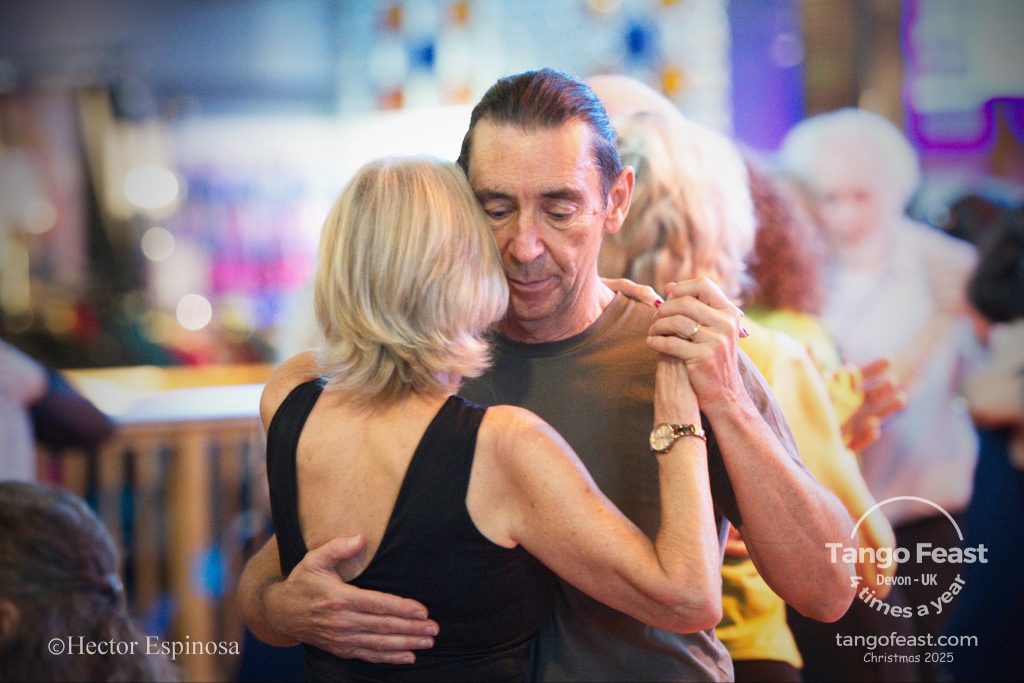
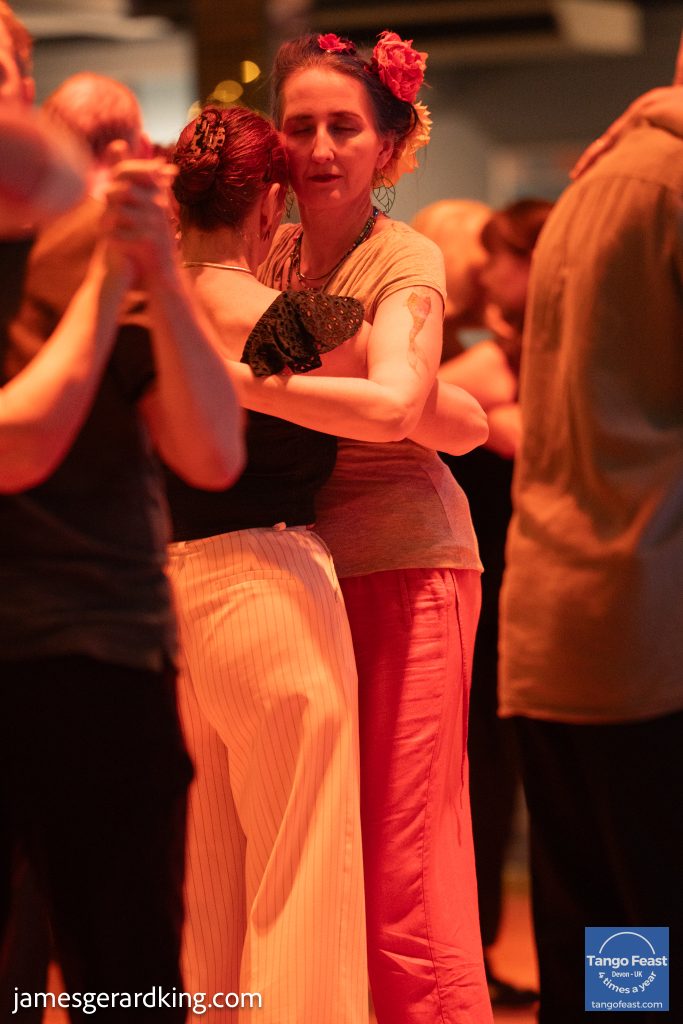
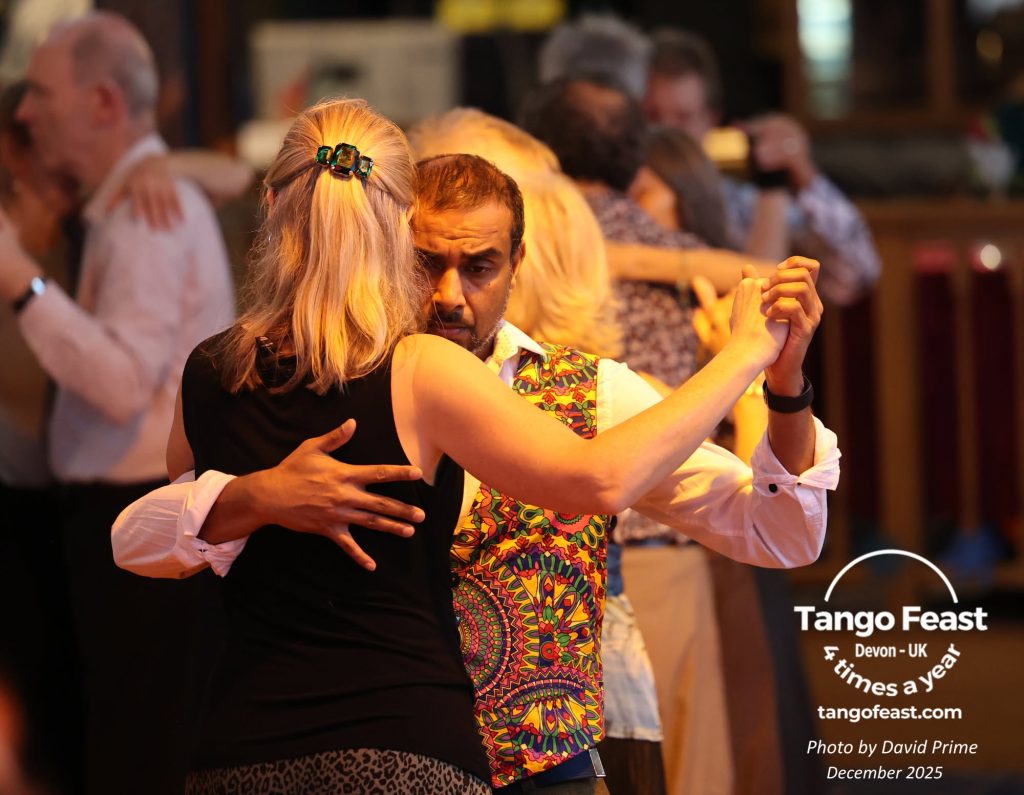
With partners who enjoyed that kind of dance, just walking with the music was divine, directly on the beat, in double time, stretching through a phrase, or changing the weight and character of a step. Pauses remained part of it, with small movements continuing inside the embrace even when our feet were still.
At the same time, thanks to the nuevo room practice, my range was widening. I could move between close and open embrace, walking, compact turns and calesitas, responding to the music and what we were finding together. Different partners brought out different possibilities.
An Argentine follower told me that the feeling in my walk reminded her of dancing in Argentina. That was lovely to hear after missing Buenos Aires that year, especially because so much of my work with my teacher there had been about feeling and connection. I took it as encouragement to keep developing that part of my dancing.
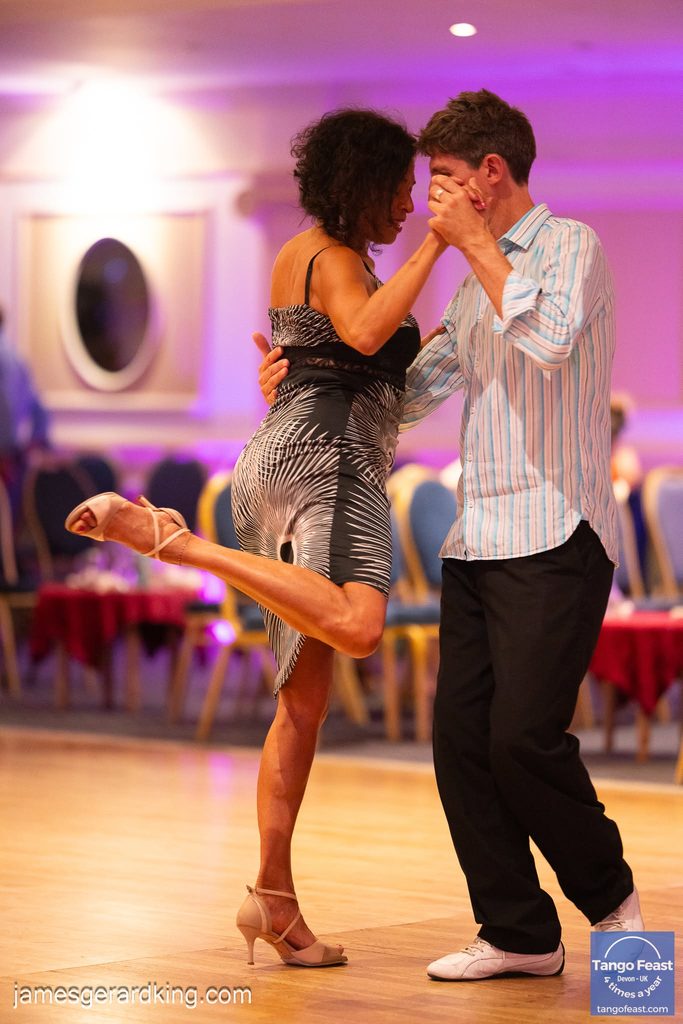
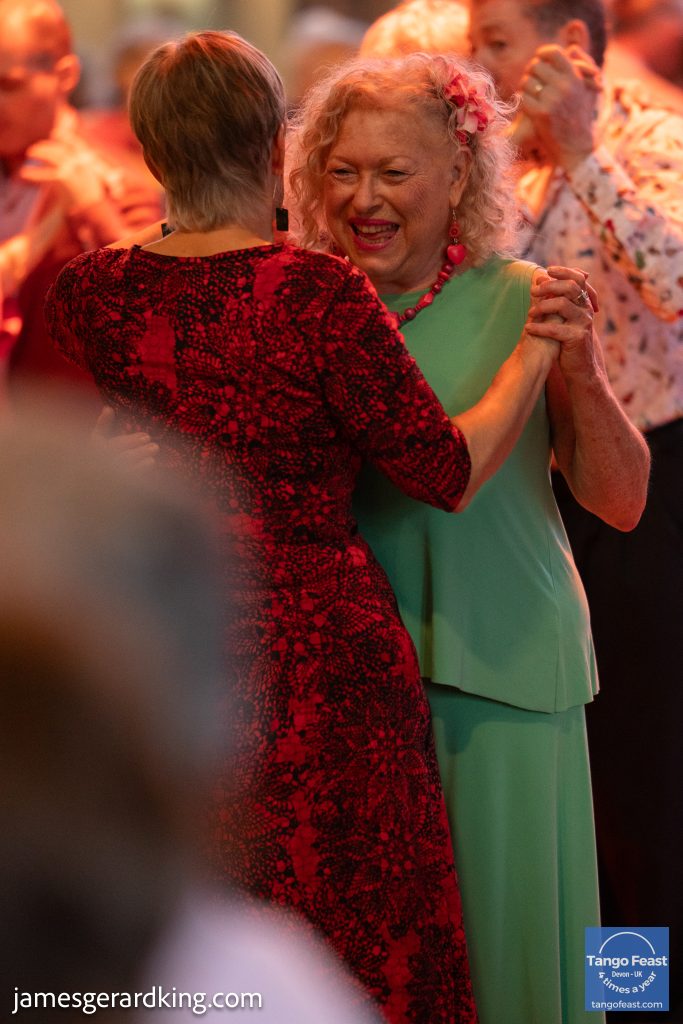
A friend also remarked that I dance with everyone. I do like trying new partners and I am curious about what we might find, even if an earlier dance might not have clicked. Many followers brought far more experience than me, and their balance, responsiveness and preferences helped me understand my own dancing better. The general standard of followers at the Feast is very high and I like to make the best of that opportunity.
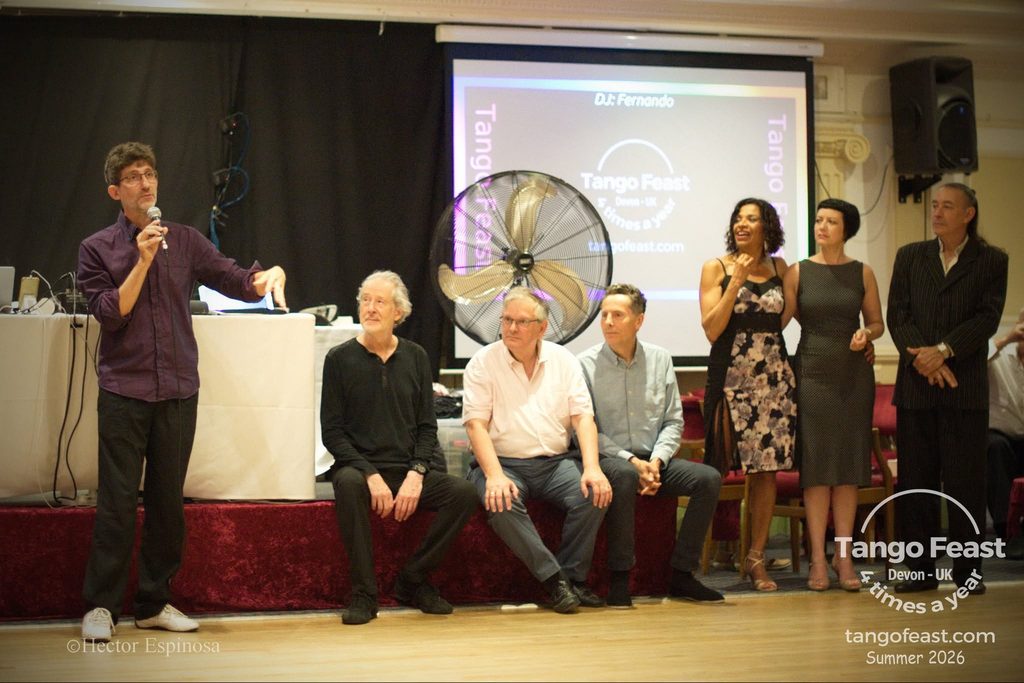
By Sunday evening, I was tired and content to dance less and talk more. There were long goodbyes after the final milonga. All that was left was one last communal breakfast on the Monday morning with final reflections and plans discussed to come back for future Feasts.
After the Feast
I am writing this from the flat that seemed so far away in June. The purchase finally completed on 27 July, a little over a month after the Summer Feast. I know how that story ends now, but when I left Torquay, I was still going home to the same uncertainty.
For a few days, though, I had somewhere else to put my attention. There were people to eat with, dances to discover and a small girito that I am still using months later. By my third Feast, I was also beginning to feel part of a community, a space I know I could go back to and continue a conversation months later.
On the train that Monday morning, sunlight warmed my face as the coast slipped past the window. I settled into the warm afterglow of the weekend, with no next tanda to watch for and no breakfast goodbyes left to say. Then I noticed that the seagulls had gone quiet too. The train was taking me home, but my feet were still somewhere on that upstairs floor, with the windows open to the sea.